The Pride of Rajasthan
Spread across 700 acres atop a high hill, Chittorgarh Fort is the epitome of Rajput spirit. It has stood through three major sieges, each time witnessing unparalleled valor.
Known as the 'Water Fort', it houses 84 water bodies, ensuring it could withstand long sieges. Today, its majestic ruins tell the sagas of Rani Padmini and Maharana Pratap.
Chronicles of Courage
7th Century
The Genesis of Glory
Rising from the Aravalli peaks, the citadel was founded by the Maurya dynasty, eventually becoming the eternal seat of Mewar’s sovereignty and a beacon of Rajputana pride for over eight centuries.
1303 - 1568
Chronicles of Immortality
The fortress stood as an unyielding titan against the tides of Khalji, Bahadur Shah, and Akbar. Each siege was met with the thunder of swords and the sacred flame of Jauhar, where sacrifice defined the very soul of the land.
Modern Era
The Eternal Vigil
Now a UNESCO World Heritage treasure, the slumbering stones of Chittorgarh continue to whisper the sagas of immortal kings and defiant queens, standing as India’s ultimate symbol of resilience.
Valor Etched in Stone: Majestic Monuments
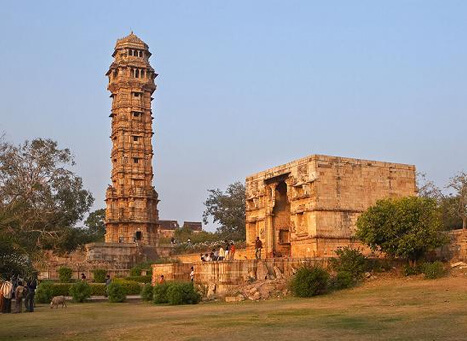
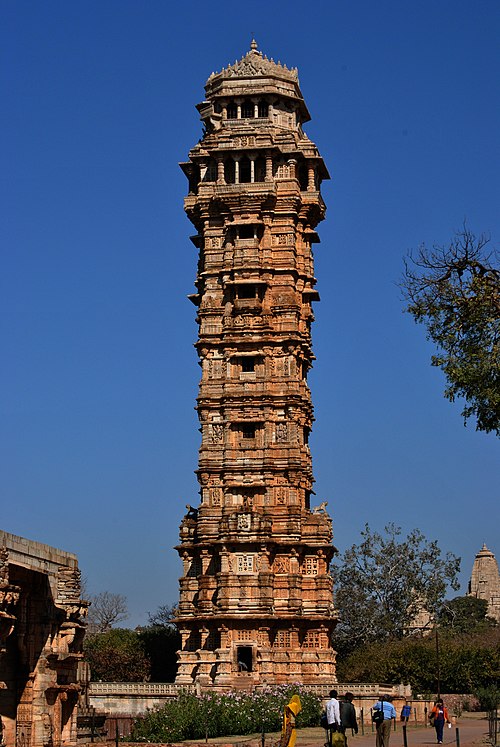
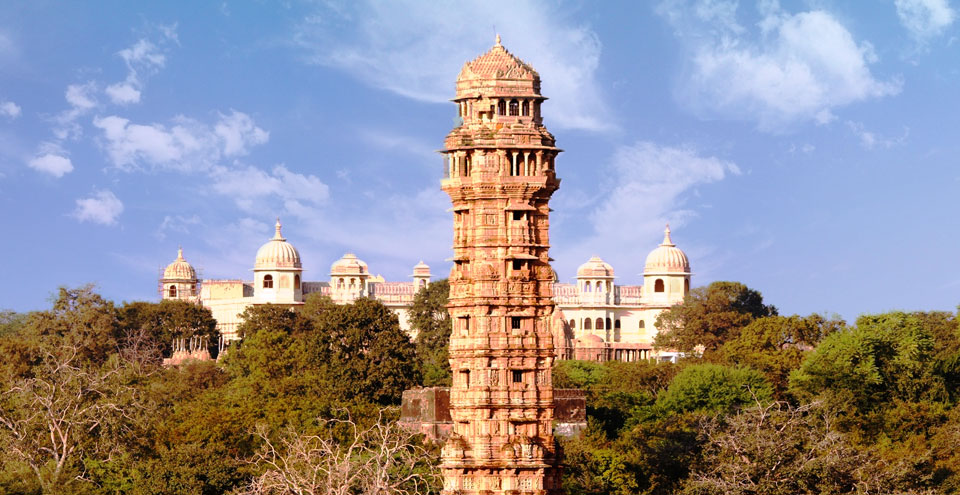
Vijay Stambh (Victory Tower)
Built by Maharana Kumbha in 1448 to celebrate his victory over the combined armies of Malwa and Gujarat. Standing at 37 meters with nine distinct stories, it is covered in exquisite carvings of Hindu deities and mythological scenes. A narrow staircase of 157 steps leads to the top, offering a breathtaking panoramic view of the entire fort and city. It represents the pinnacle of Rajput architecture and is often hailed as the 'Encyclopedia of Indian Sculpture.' Every stone here whispers the saga of Mewar's unyielding spirit and architectural brilliance.
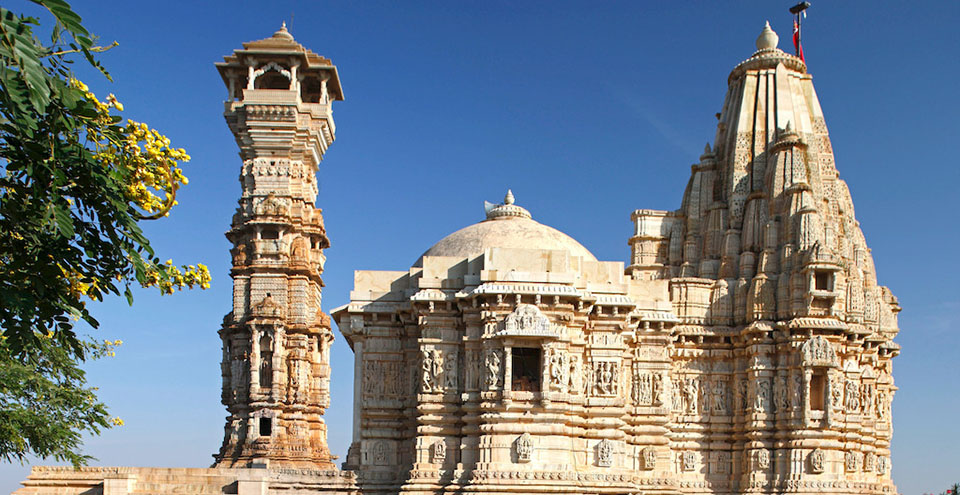
Kirti Stambha (Tower of Fame)
This 12th-century masterpiece was built by a Digambar Jain merchant, Jeeja Bhagerwala, and is dedicated to Adinath, the first Jain Tirthankara. Standing 22 meters tall, the tower is a stunning example of medieval Jain architecture, characterized by its intricate and delicate stone carvings. It features four large images of Adinath on its exterior, facing the cardinal directions, and is smaller but even more intricately carved than the Vijay Stambh. The tower stands as a symbol of the spiritual heritage and artistic prosperity of the Jain community in medieval Rajasthan. It is a must-visit for anyone seeking to understand the diverse cultural fabric of Chittorgarh.
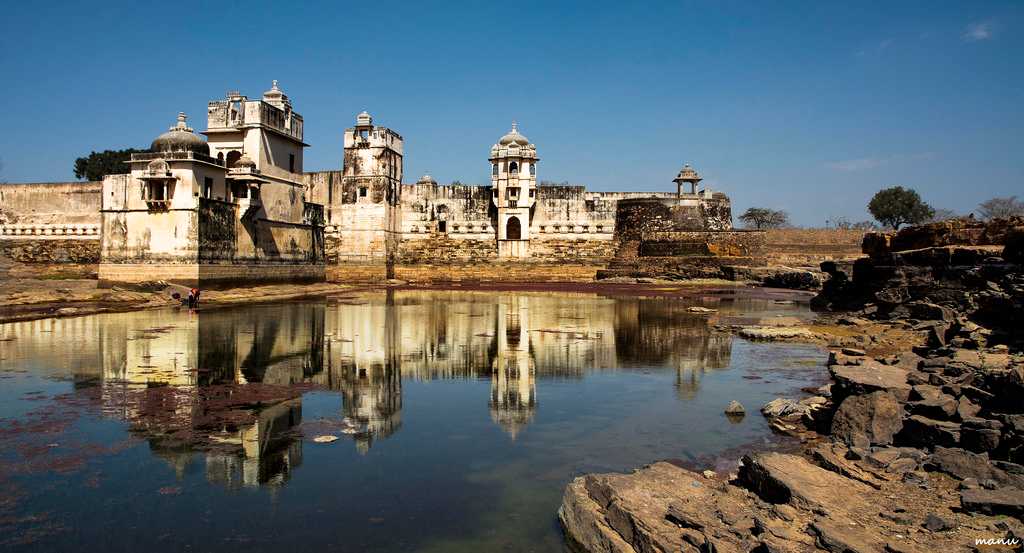
Padmini Palace
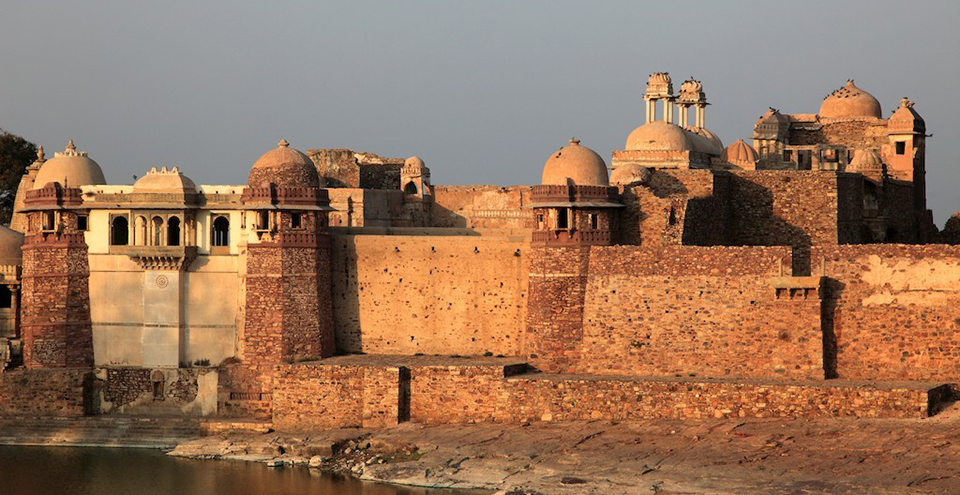
A remarkably elegant three-story structure surrounded by a serene lotus pool, reflecting the grace and beauty of the legendary Queen Padmini. It was from a mirror in this very palace that the Sultan of Delhi, Alauddin Khilji, is said to have glimpsed the reflection of the Queen, sparking the historic siege of 1303. The palace is a blend of architectural simplicity and historic weight, symbolizing the legendary bravery and supreme sacrifice of the women of Mewar. The surrounding gardens and the quiet shimmer of the water create a melancholic yet beautiful atmosphere. It remains one of the most visited and discussed monuments within the vast 700-acre fort complex.
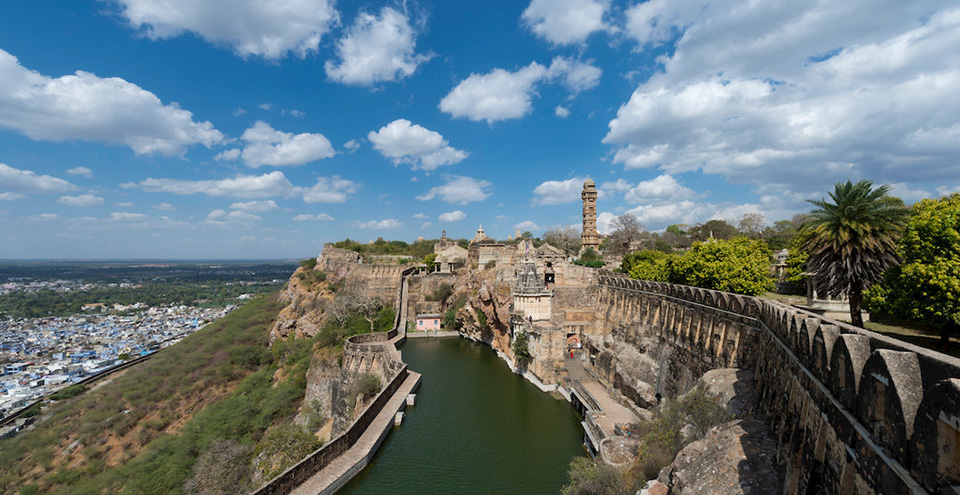
Gaumukh Reservoir
Known as the 'Mouth of the Cow,' this sacred water body is fed by a perennial spring that flows through a beautifully carved stone mouth of a cow. It was the primary source of water for the fort during its many historic sieges, earning Chittorgarh the reputation of being a 'Water Fort.' Pilgrims and tourists alike visit the reservoir to witness the holy spring and feed the hundreds of fish that consider this water their home. Located at the edge of a cliff, the site offers a tranquil escape with the sound of trickling water providing a peaceful backdrop. It is considered one of the most auspicious spots in the fort, reflecting the deep connection between heritage and nature.
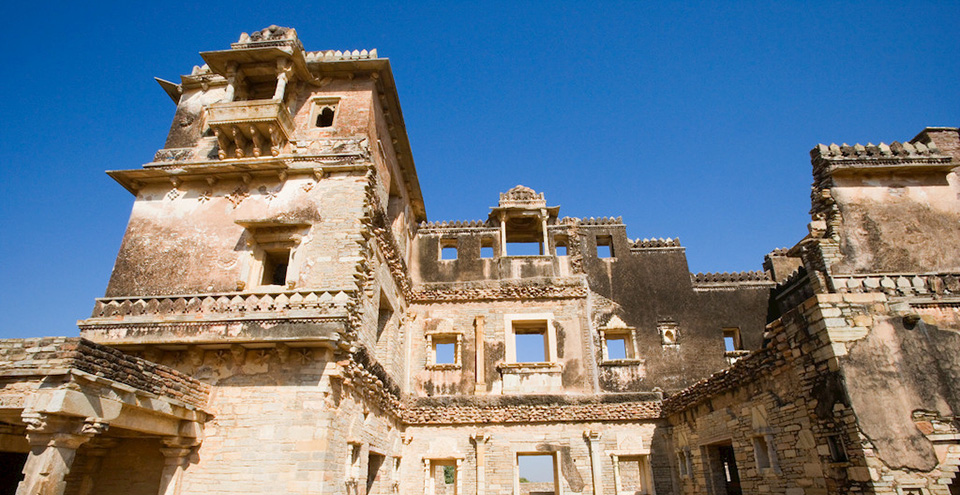
Rana Kumbha Palace
One of the most massive and historic structures in the fort, this palace was the residence of the illustrious Maharana Kumbha. It is steeped in legend, believed to be the birthplace of Maharana Udai Singh, the founder of Udaipur, and the place where Rani Padmini performed her heroic Jauhar. The ruins consist of grand courtyards, stables for elephants and horses, and a Shiva temple that still stands tall amidst the weathered stones. Walking through its dark cellars and open arches, one can almost hear the echoes of royal councils and ancient war cries. It serves as a hauntingly beautiful reminder of the fort's prime and the dramatic turning points in Rajput history.
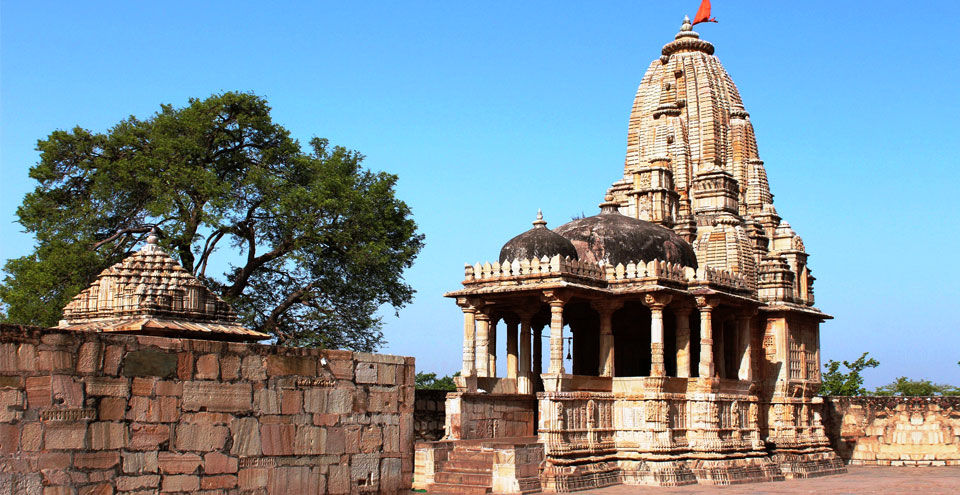
Meera Bai Temple
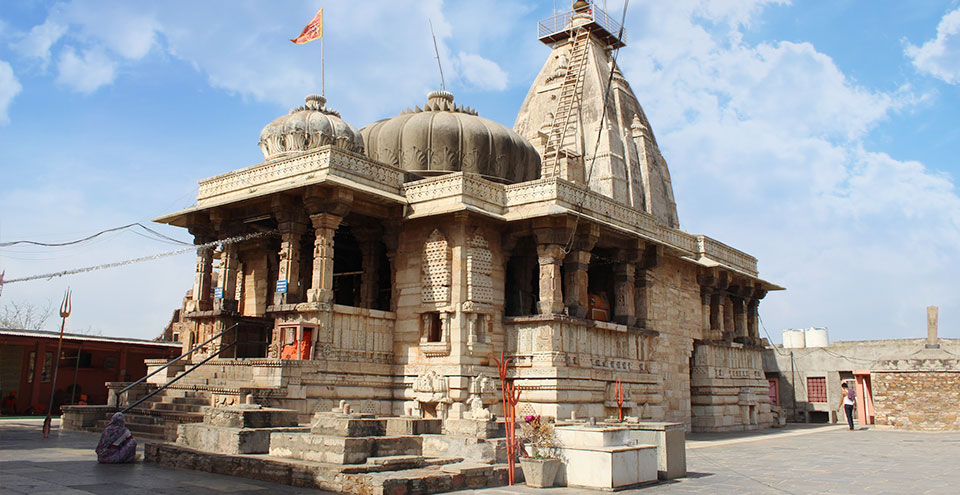
A symbol of pure devotion and spiritual liberation, this temple is dedicated to the 16th-century mystic poet-saint Meera Bai, who renounced her royal life for Lord Krishna. Built in the classic Rajput temple style by Maharana Kumbha, it features a small pavilion where Meera Bai is said to have composed and sang her famous bhajans. The temple's exterior is adorned with detailed carvings of deities, while the interior houses a beautiful idol of Lord Krishna, who Meera Bai worshipped as her divine husband. The atmosphere here is one of profound peace and devotion, attracting thousands of seekers who come to pay homage to the most famous devotee in Indian history. It remains a living testament to the power of love and faith over worldly power.