The Perennial Spring
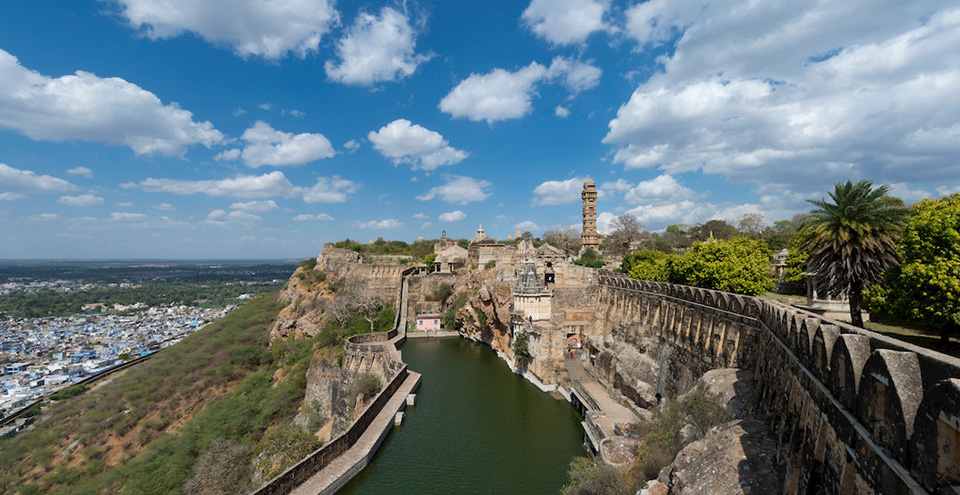
Gaumukh Reservoir is a deep tank filled by a perennial spring that flows from a rock shaped like a cow's mouth (Gau-mukh). It is situated at the edge of the fort and has been a vital source of water for the residents and soldiers for over a thousand years.
The site is considered holy by devotees who perform rituals and take dips in the sacred water. The surrounding area is dotted with small temples and carvings, creating a serene and spiritual atmosphere.
A Pilgrimage Through Time
Ancient Times
The First Spring
Since the fort's earliest days, Gaumukh has been the most important water source. Its location near the Samadhiswar Temple makes it a focal point of religious activity.
13th Century
The Siege Life-line
During legendary sieges, the reservoir's hidden springs provided cool, fresh water to thousands of defenders, allowing the fort to hold out for months against invaders.
Modern Era
A Pilgrim's Haven
Today, Gaumukh is a must-visit spot for both its natural beauty and spiritual significance. The sight of the water cascading into the deep green pool remains one of the fort's most iconic views.
The Cow's Mouth
The 'Gaumukh' Spout
The spring water emerges from a natural rock formation meticulously carved into the shape of a cow's head, representing the sacred river Ganga.
Temple Cluster
The reservoir is surrounded by small, ancient niches and shrines dedicated to various Hindu deities, showing the religious importance of water in Rajput culture.
The Ghats
Stone steps lead down to the water level, designed to allow pilgrims to reach the reservoir safely even as water levels fluctuate throughout the seasons.